
When Broadcasters Forget Who They’re Talking To
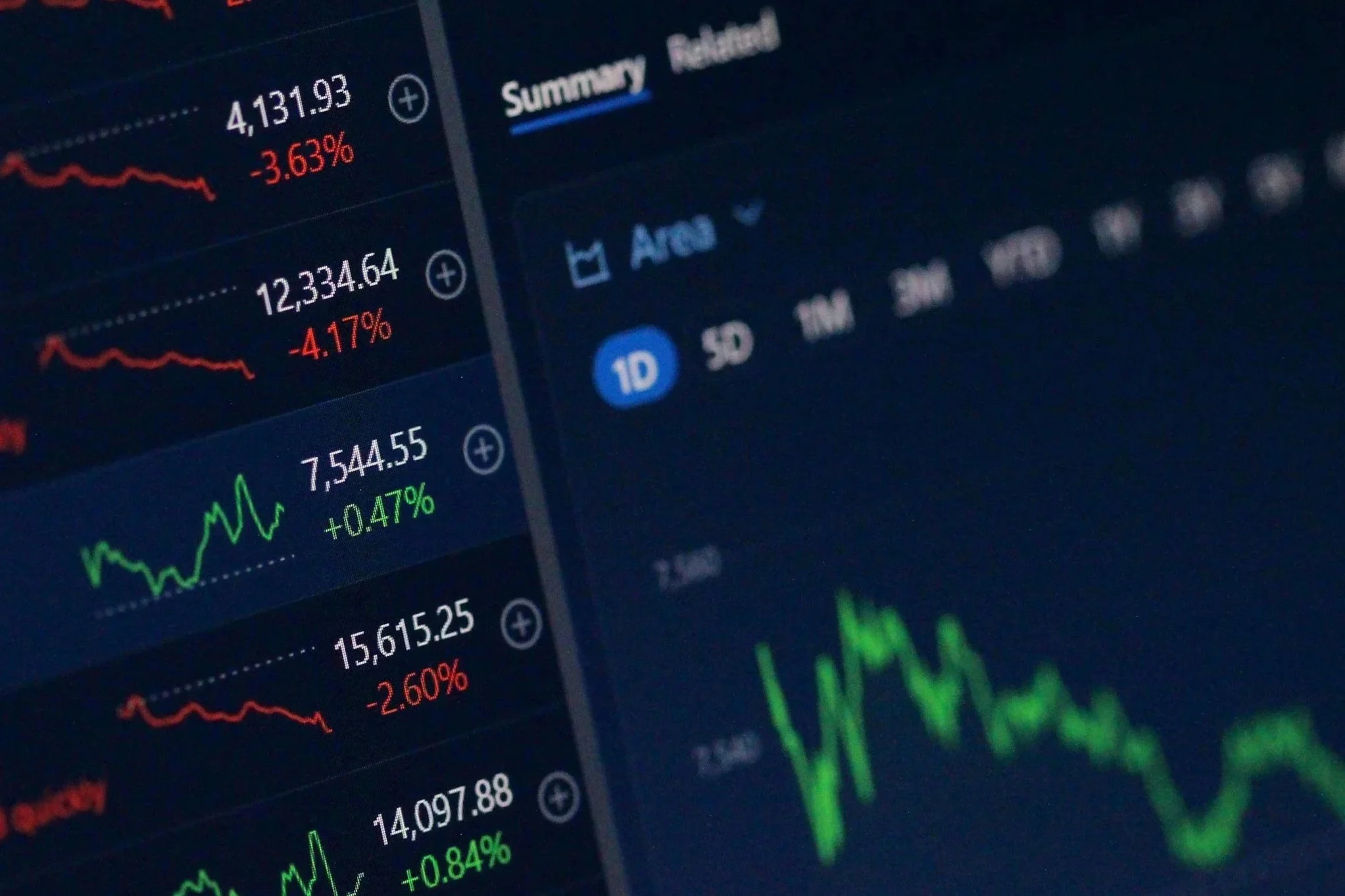
The current spike in oil prices is a reminder of something broadcasters bump into all the time: the instinct to report something simply because it exists.
In volatile moments, the pressure to sound live or urgent gets stronger. That’s when broadcasters slip into habits that feel informative but don’t actually serve the audience.
Let’s back up a bit. There are very few jobs which require speaking to thousands of people at once often sitting alone in a room. Broadcasting is the original version of this odd setup, and digital media has only multiplied the ways it happens.
This presents an odd situation: mass communication is lonely, and it’s easy to lose perspective.
This shapes what we say, when we say it, and how we say it. I’ve written before about what’s really happening when we say, “We’ll be right back.” But it’s much more than that. Little bits of insider thinking slip into nearly everything we say.
The solution comes when you step back and ask two key questions of your listeners:
1) Who are we talking to?
2) What do we want them to do (or leave them with)?
Here’s just one example heard on public media nearly every day:
The Dow Jones Industrial Average (aka “the Dow”) is familiar to most people — it tracks 30 major U.S. companies.
(You could argue the Dow itself isn’t the most useful measure, but let’s set that aside for a moment.)
But then there’s the Dow futures, (similarly, the NASDAQ or S&P 500 futures) which try to predict how the market might open. They’re uncertain, they change quickly, and they’re mostly useful to professional traders. This is a lot of hedging. In fact, it’s considered to be market folklore that Dow futures predict the open, not the day.
The problem with this is that people who truly need Dow futures already get them in real time — they’re not waiting to hear it on the radio. This violates the first rule: know who you’re talking to.
Morning business news often feels like it needs some measurable number in order to look like something is happening in real-time. This violates the second rule, because for most listeners, the Dow futures is just a filler. It’s not useful information they’ll use or act upon.
Listeners deserve more than a vague sense of the mood of the market. You don’t need a number to sound live and urgent.
Sure, Dow futures are similar to a weather forecast in that it’s a prediction and not the final say, but it’s also very different. Weather forecasts affect everyone, every day. Dow futures don’t. And unlike weather, most people don’t know what to do with a futures number — even if it’s positive or negative.
By broadcasting the Dow futures to a general audience, the tail is wagging the dog. And when that happens, we’re serving ourselves instead of the listener.